From Prince Harry’s TMI memoir to Barbara Kingslover’s Appalachian bildungsroman, the team at Porridge share their favourite novels and non-fiction books of 2023.
Georgia Tindale, Founder & Arts Editor

It’s been another year of audiobooks for me in 2023, with many purposes behind them – from seeing what all the fuss was about with Prince Harry’s Spare (Penguin), (read: helping me get to sleep alongside some highly memorable references to his ‘todger’…), to delving into the unexpectedly moving and powerful My Body (Quercus) by model and former actress Emily Ratajkowski for some thought-provoking feminist writing.
Most recently, I’ve been enjoying dipping in between crime (The Girlfriend by K.L Slater (Bookouture), None of This is True by Lisa Jewell (Penguin), When I was Ten by Fiona Cummins (Pan Macmillan) and the fabulously Aussie Big Little Lies by Liane Moriarty (Penguin)), and the very heartwarming and lovely The Christmas Star by Kate Forster (Audible). It contains a pretty obvious plot twist, but something to warm the cockles this festive season never goes amiss!
Lily Beckett, Arts Editor & Marketing Coordinator
Slightly late to the game, but January 2023 was the month and year I decided to pick up Alice Walker’s The Colour Purple (Orion). And let me tell you: I get it! I understand the commotion! It’s so colossal, I was out of breath by the end and left cursing the gods of the A-Level syllabus (Michael Gove?) for not taking me there ten years sooner. Anyway, January 2023 also happened to be the month and year I set out to write a novel. But turning to the page beginning with, ‘Dear God. Dear stars, dear trees, dear sky, dear peoples. Dear Everything. Dear God…’, I felt simultaneously elated by the brilliance of that chapter’s revelation and dismayed that I’d now given myself the heavy task of writing in a post-The Colour Purple world of my own making (hello Harold Bloom)! Suffice to say, my novel didn’t make it past April, whilst Walker’s has endured more than forty years. And quite rightly too.
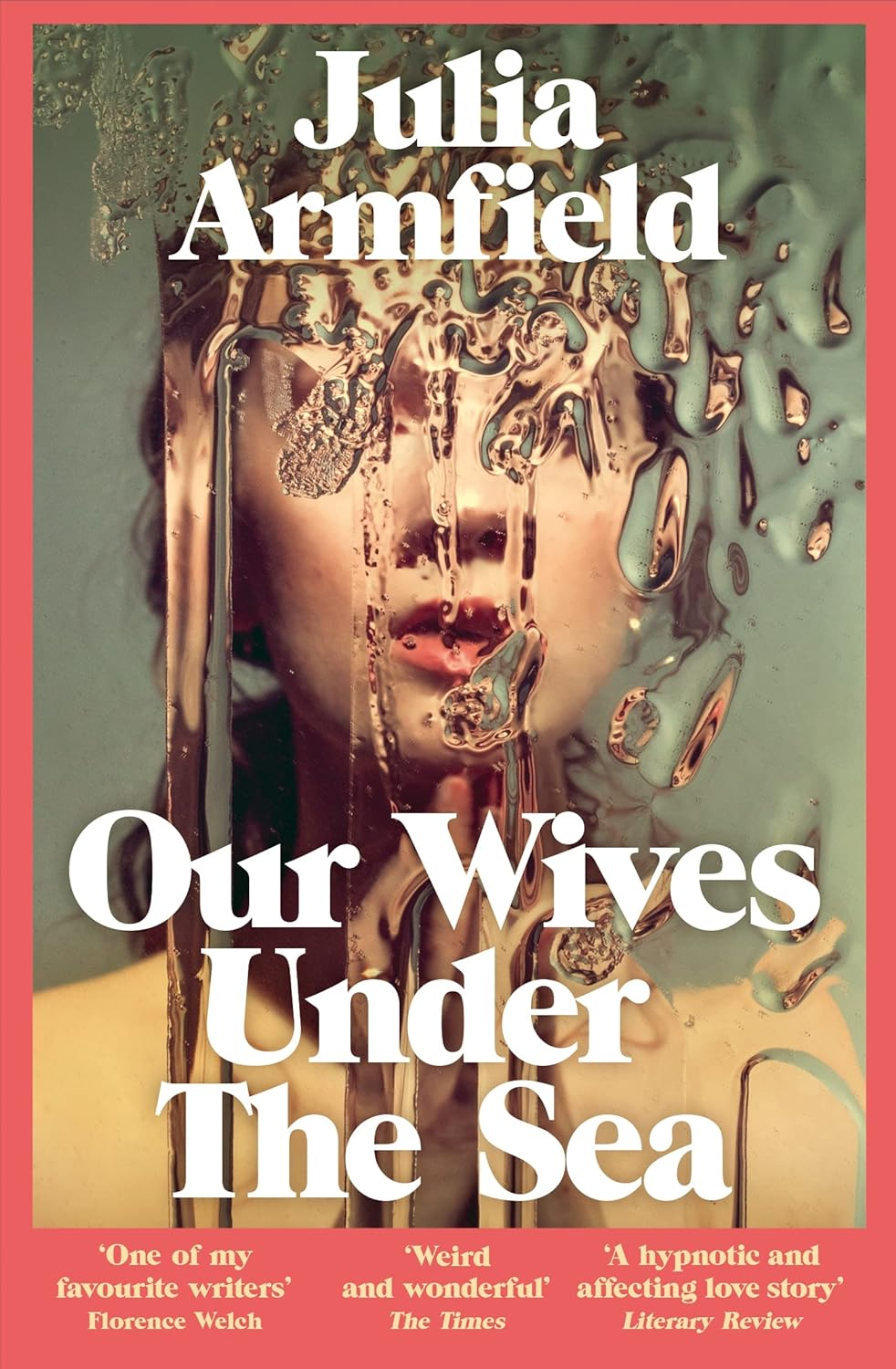
With spring came new discoveries, and I was presented with a book recommendation from someone I was trying to impress. I had to act fast: no time for Foyles, this was a Kindle job (apologies to the print purists). I downloaded Julia Armfield’s Our Wives Under the Sea (Picador) and consumed it over the course of a few days. And then thoughts of it consumed me. And then we were all consumed by the sea… I don’t typically reach for fantastical themes or science fiction, but the novel had a lesbian love story at its heart and was so compelling that I forgot that reading it was technically an ‘assignment’; it was a relief to be able to go back with a truly enthusiastic verdict. And now every time I have a bath, I think to myself: ‘Wow, this is so Our Wives’.
I started summer with Tove Jansson’s Fair Play (Sort of Books). Like most, I first knew of Jansson through her illustrations of the Moomins, but what a treat Jansson’s ‘adult’ writing is. A series of small episodes build up to paint a genuinely moving portrait of companionship between two women and their commitment to loving and working hard and creatively. I finished Fair Play in a café with tears in my eyes, and spent the subsequent hour bent over my phone googling ‘Finland flights,’ ‘Finland island property,’ ‘moomin tattoo’ etc. I then picked up Max Porter’s, Shy (Faber), prompted a reviewer detailing its close engagement with 1990s dance music. Its poetic prose channels the relentless rhythms that characterise drum ‘n’ bass music, giving a formal shape to the rage and turmoil that torments the protagonist, Shy’s, painfully teenage existence. I found it innovative and poetic, and was pleased that these elements didn’t preclude a decent narrative arc.
As the year cooled down, my reading became predominantly academic once again. I did attempt Missouri Williams’ The Doloriad (Dead Ink Books), but whilst I was drawn in by the promise of grotesque Greek tragedy, I found that it’s not exactly a novel I could look forward to falling right into after a day spent analysing experimental poetry. And so, I’ve just tried my hand at Phillip Roth for the first time ever, with American Pastoral (Vintage). I’m only halfway through, so all I can say for now is 1. The prose is insanely good 2. The story – well, ‘the Swede’s’ life – is frequently surprising, pleasingly. Once I finish Roth, I’ll move on to a novel I’ve made myself wait the whole year to read: the final book of Ferrante’s quartet. Or perhaps I could just delay it another year. And another, and another, and another–
Arbnora Selmani, Arts & Comfort Foods Editor
2023 was another year of great reading — much to my surprise considering most of the year was spent planning a wedding (then actually getting married), and because I was on a self-imposed book-buying ban (long live public libraries!).
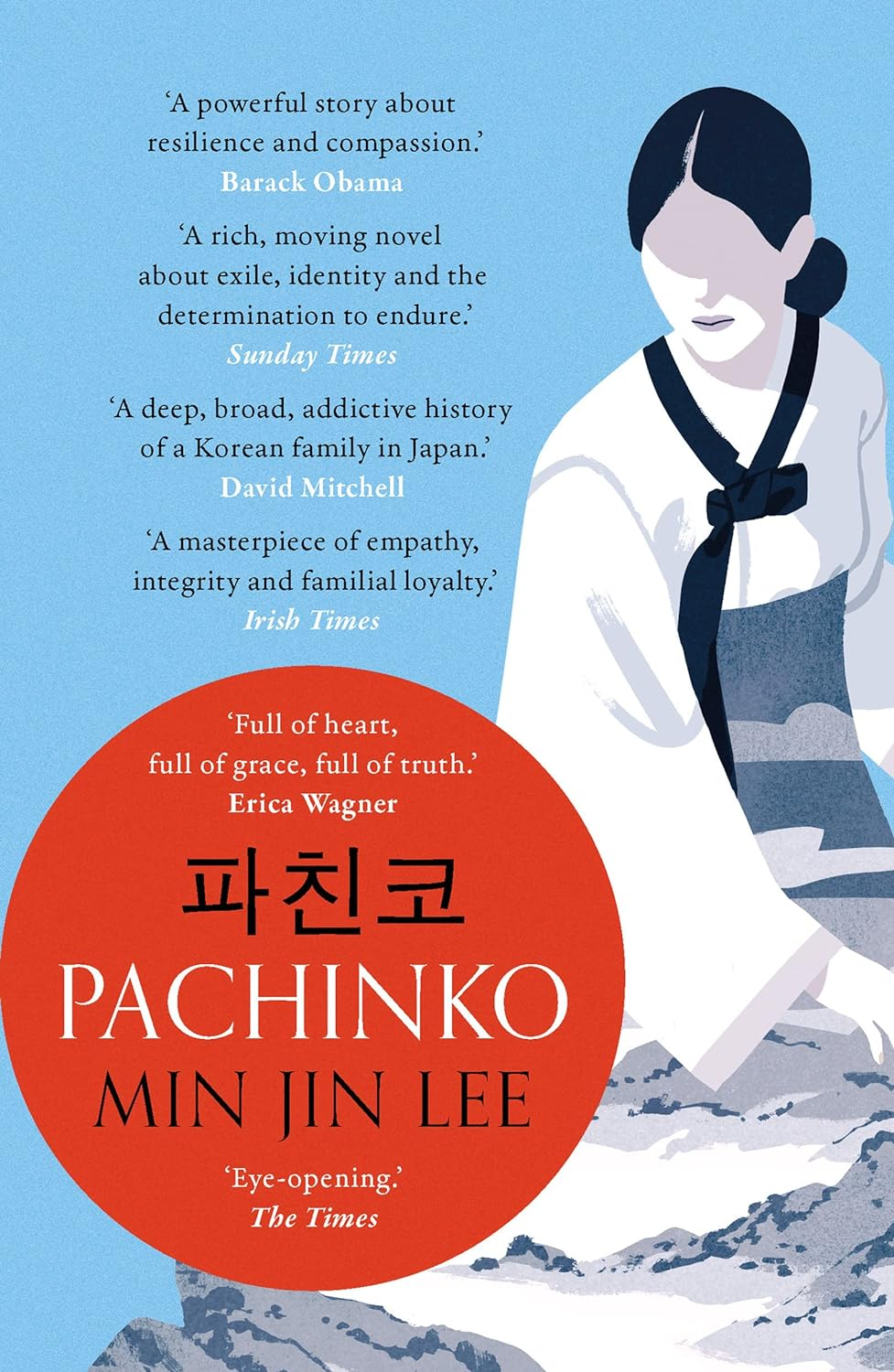
Two standouts for me were also two of the longest books I read this year: Min Jin Lee’s Pachinko (Head of Zeus) and Demon Copperhead by Barbara Kingslover (Faber). Pachinko is a generational epic depicting the life of Korean migrants in Japan in the 20th century and deftly explores themes of girlhood, colonisation, diaspora, belonging, family and so much more. Tender and informative, this novel is masterfully crafted and moving beyond words. Demon Copperhead is a retelling of Dickens’ David Copperfield, from the perspective of a young boy growing up impoverished in the Appalachian mountains amid the opioid epidemic. It balances the absolute devastation of the period with the usual preoccupations of teenage boys and still manages to be a page-turner.
Mid-way through the year I managed to get my hands on Guadalupe Nettel’s Still Born, tr. Rosalind Harvey (Fitzcarraldo Editions). Not only is this a beautiful exploration of motherhood and what it means to be a mother, to care for someone else, and communities of care in general —themes I can’t help but return to again and again in my reading — it’s also a story about survival against all odds. Wonderful.
Finally, I enjoy a spooking or two, so finally reading Shirley Jackson’s The Haunting of Hill House (Penguin) was a real joy! It’s easy to see why this book is considered genre-defining. Another take on the supernatural but with a darkly comic twist, The Trees by Percival Everett (Influx Press) is a grisly imagining of what retribution for lynchings in the US could look like. Grimly funny.
Jessica Syposz, Fiction Editor
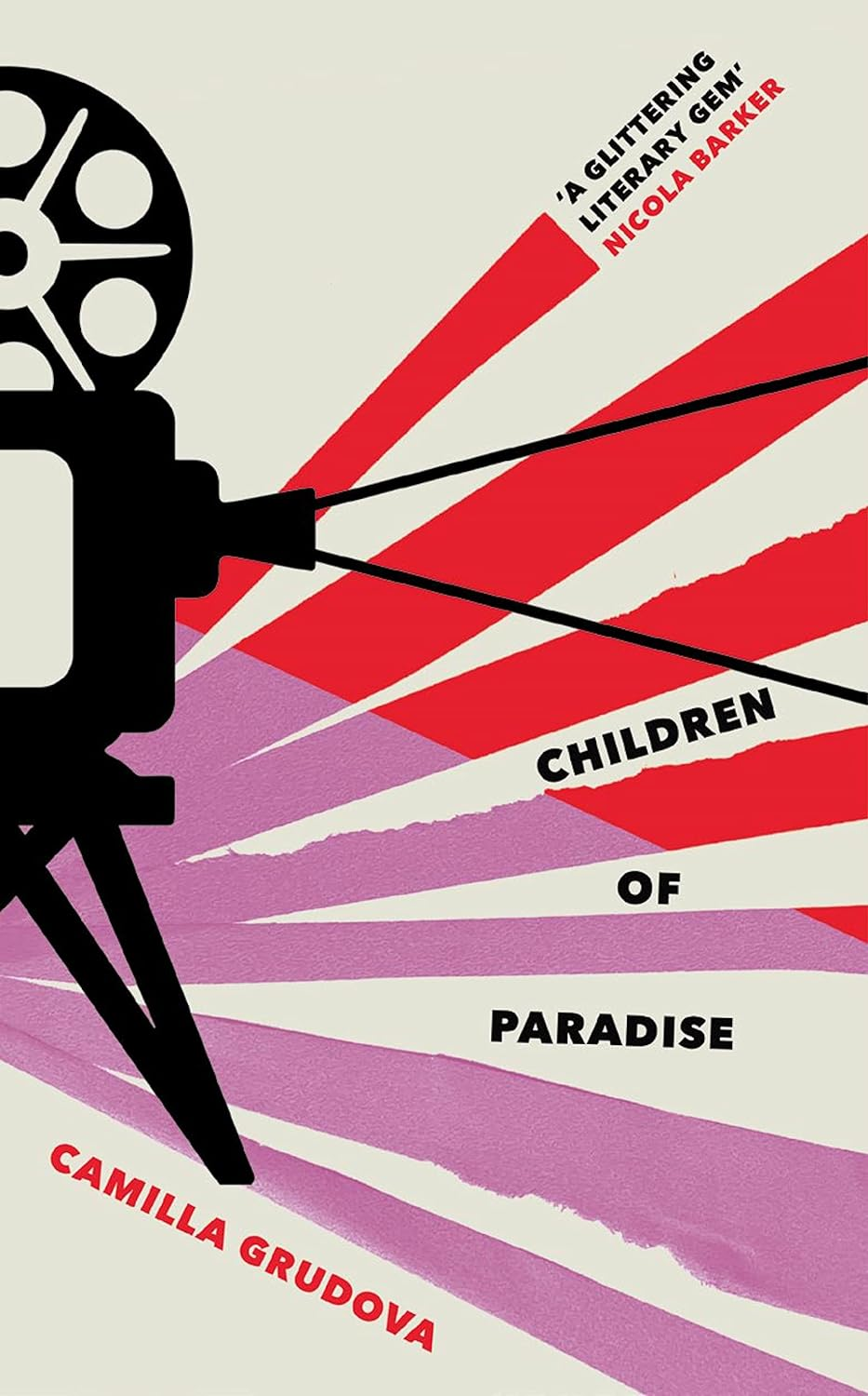
Top of my list for my books of the year is the debut novel by Canadian writer Camilla Grudova. In Children of Paradise (2022, Atlantic Books) a young woman gets a job as an usher at a decaying cinema called The Paradise. This once grand establishment is a ‘Frankenstein’s monster of a place’ with dark red walls, fraying carpets and endless grime. Grudova revels in the gross details, using her vivid style to highlight the blocked toilets and the bizarre behaviour of the regulars.
It’s anarchic, gory, and heaps of twisted fun, the narrative shot through with caustic commentary on job instability and zero hour contracts. The staff bond over their shared loneliness and an obsession with the glittering escapism of their beloved films. At night, they snort leftover drugs found in the bathrooms, have sex, and put on their own clandestine movie showings when the public leaves. Life in The Paradise is grotesque but kind of beautiful, a place where you can trade in your low wages and squalid bedsit for a delirious, destructive existence.
Like The Paradise’s rumoured ‘extra’ screening room (which only appears from time to time and can never be left behind once entered), there’s a seductive quality to the world Grudova creates. Fatal accidents occur suddenly. Reality and fantasy merge. Things get even stranger. This is a discomforting, grubby, deliciously weird novel that sticks to you like syrupy popcorn. I can’t wait to read her most recent work, the short story collection The Coiled Serpent.
Honourable mentions for the year include The Street of Crocodiles by Bruno Schulz (Penguin), Transcendent Kingdom by Yaa Gyasi (Alfred A. Knopf), Ice by Anna Kavan (Peter Owen Publishers) and No One Is Talking About This by Patricia Lockwood (Riverhead Books).
Chris Rouse, outgoing Non-Fiction Editor

My favourite novel of the year is one which I only recently finished – Cloud Cuckoo Land by Anthony Doerr (Fourth Estate). On the face of it, it sounds impenetrable. It’s about 600 pages and spans half a dozen characters across 4 different centuries. Oh, and if that sounds dangerously accessible, it’s told in a non-linear way; the focus chops and changes between the different characters and timelines, and some characters’ stories flit back and forth in time.
But against the odds, it’s spellbinding.
Not everyone will love it; I did. It’s a poignant, gripping and beautifully written paean to the power of storytelling itself. As these different characters wrestle with hardship, and changes, and endings, and lost opportunities, they all find solace in an ancient Greek text, the Cloud Cuckoo Land of the title. To say more would risk spoiling things, and at any rate wouldn’t come close to doing justice to the book. Doerr has played with fire and the audacity of it all is almost frustrating at times, but to me at least he pulls things off. Mesmerising stuff.
My two favourite non-fiction books of the year also tap heavily into the theme of stories. They’re both by the Observer’s art critic, Laura Cumming, and both approach how the art of the seventeenth century has exerted an almost hypnotic spell on people through the ages. The Vanishing Man (Vintage) is a study of a lost painting, probably by the Spanish portraitist Velázquez, and also of the 19th-century quest of one man to establish the painting’s history. Cumming alternates between chapters on Velázquez and the later reception of and attitudes to his works, expertly balancing a range of stories. Her description of Velázquez’s extraordinary work is almost as evocative and masterful as the paintings themselves.
Thunderclap (Chatto & Windus) is much more personal. It tackles the hugely rich and expansive subject of Dutch art in its so-called Golden Age. Amidst all the insightful, lyrical descriptions of paintings, Cumming weaves in reflections on sudden death and loss. She discusses the untimely passing of both the seventeenth-century painter of the Goldfinch, Carel Fabritius, and of her own father, the artist James Cumming. It’s a beautiful, haunting book, which has stayed with me long after finishing it.
 Porridge