The Taste of Forgiveness
We are three siblings, scattered across continents, each of us carrying the taste of a different kitchen.
The last time we spoke on the phone, my brother wanted to find the sausages. Not the ones from grocery shelves, but the ones we used to make ourselves. He remembered the way we’d rinse the intestines in the sink until they gleamed, clean and rubbery, and how we’d stuff them with rice, parsley, garlic, ground meat, and whatever else the season offered. It was a messy process, requiring commitment and bare hands. The kind of cooking that came with sound — hissing pots, laughter, arguing over too much salt. Our kitchen smelled of oil and steam and the comfort of being known.
My sister had a different craving. She had written a list: the woman who sold sandwiches by the corniche, the tea seller who used to hum when pouring, the fruit stall where the melons were always cool. All of it belonged to one city, across many vanished summers. We thought that if we ever left, we could always return. But how could we have known that a country could cease to exist? That borders could erase not just places, but seasons, scents, and the way light used to fall on certain streets?
I had no list.
I wanted only to know if the cucumbers still tasted the way they did when I was small. Back then, they were cold even in the noon heat. They smelled faintly of grass and water, and when sliced, they released something soft and ancient — the scent of thirst being forgiven.
I remember holding them to my cheek in the Benghazi souq. My mother would hand me a melon or a cucumber and ask, “Is it cold?” That was the test. Coldness meant sweetness, meant survival. Even the fruit knew how to perform in the heat.
*
Later, in other countries, I leaned into supermarket bins and tried to smell that memory again. But the melons were mute. The cucumbers had nothing to say. They had been wrapped too tightly in plastic, chilled too long under artificial light. They had forgotten their origin.
That’s how I learned what distance really means. Not just kilometers. Not even language. But the taste of something retranslated. Made palatable. Made elsewhere.
*
I’ve always preferred dry food. Give me a naan with swellings, the kind with bubbles you can tear. A good piece of grilled chicken, tandoori but not dyed red. No sauce. No drench. I require no gravy.
Everyone used to call me a camel, because I never seemed to need enough water. I didn’t mind. It made sense. I was shaped not so much by heat, but by a place that taught me how to live with it. The heat in Libya was forgiving: dry, steady, never as brutal as the humidity I endure now in Asia. Here, everything clings. Even the air refuses to let go.
As children, we thought we could pick olives straight from the trees and eat them. We were wrong. They were bitter and stubborn, and we spat them out laughing, surprised that something so beautiful could taste so harsh. Figs were another story. We gorged ourselves on them, warm from the sun, splitting them open with our fingers like small treasures. I was bitten by a bee once, mid-bite. It stung, but I kept eating. The fig was too good.
My siblings are more adventurous. They’ve adapted, softened. Their tables include kimchi, coconut milk, and fusion stews with too many adjectives. They eat widely and generously, folding their tongues around unfamiliar spices like children learning a new game. But I remain stubborn. Rebellious. Give me food fit for a nomadic culture — lean, fire-touched, wrapped in bread and meant to be eaten with the hands. Food that travels lightly but stays in the blood.
*
In my present country, meat feels like contraband. Even though millions eat it, it carries the air of guilt. A side-glance. A silence. The plate is political. The act of sitting down to eat nihari, thick with oil and memory, is a rebellion. A refusal to disappear politely. It says, I am still here. And I remember.
For the first time, I understand that meat is a political weapon. I used to laugh when people called eggs non-vegetarian. How could they be? They were just eggs. Ordinary. Innocent. Part of the breakfast table my body had always known. But here, even eggs arrive with debate. The food I grew up with is suddenly a moral question. In a place where silence is sacred, my food is too loud.
Rain here is a season of celebration. People gather around fried snacks and sweet tea. They talk of mangoes the way others talk of saints. Reverent. Romantic. I’ve never developed a taste for mangoes. The rain is beautiful, but the foods it calls forth have nothing to do with me. My hunger was shaped in the dry heat of that city near the sea, in a house where water was precious and salt stayed on the lips.
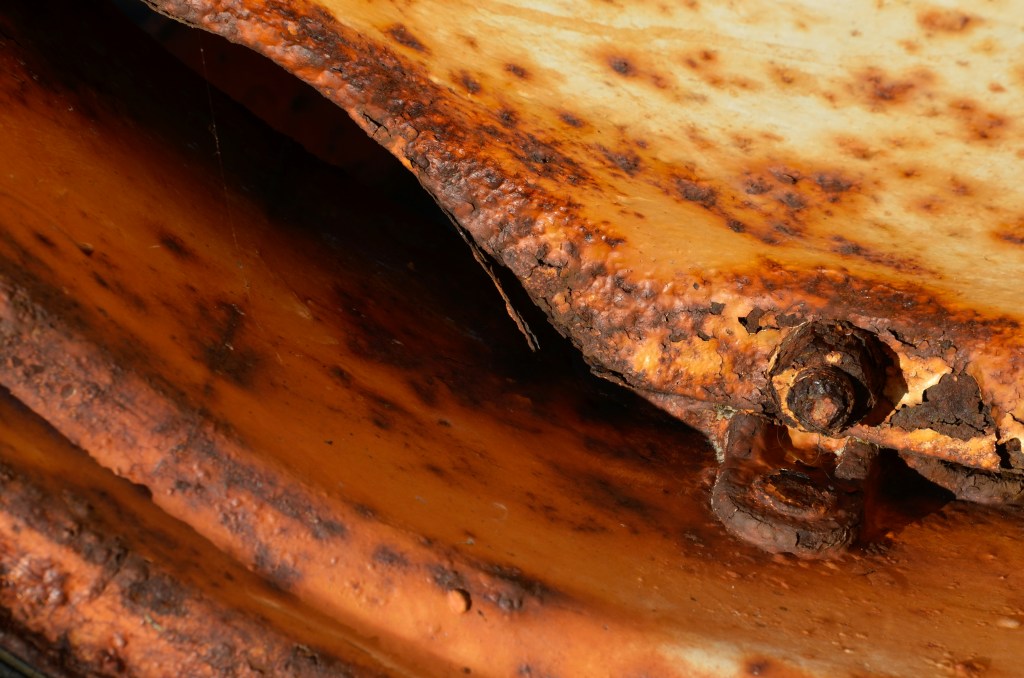
Even now, I miss the salty water of Benghazi. When we traveled elsewhere for summer holidays, the “sweet” water didn’t taste right. It felt like a lie on the tongue. I would wait to return, just to drink from the taps again — warm, rusted, alive.
Our childhood was mapped by food. Not the lavish kind, but the kind you remembered with your whole body. Tea that tasted of dust and cardamom. Couscous with chunks of meat slow-cooked under a tent, though we didn’t call it that then. Just food. Later, I learned they named it “tent cooking” in the way foreigners name things they think they’ve discovered.
And then, the sandwich. Bread, meat, harissa — by which I mean the sweet chili paste, not the regional variations others attach to the word. It was sold by a woman who never smiled but always remembered how we liked it. That sandwich haunted us more faithfully than most of the people we left behind.
*
We’ve lived in many countries. Lost many kitchens. But the food remains.
In another country, before the word exile meant anything to us, there was a sweet factory across the street from our home. My brother and I worked there, not because we were hired, but because we felt entitled. The factory belonged to our family, and we were the children of the owner. We had no concept of trespassing. We simply showed up with our sleeves rolled and our mouths ready for sugar. We belonged.
We wrapped toffees until our hands ached, folding foil with pride, stealing pieces of candy when no one was looking. The machines roared; the air smelled like joy and boiling fruit. Sometimes I think that factory was the last place where everything made sense. The last place where we didn’t need permission to exist.
The sea still calls me, though I never lived by it. We weren’t a coastal family, and I’ve never set foot on a boat. But the Mediterranean runs through my imagination like salt through dough — Tunis, Greece, Libya — places stitched together by trade routes older than any of us.
Libya is gone now. Not metaphorically but literally. Fragmented, unsafe, unrecognizable. The country that shaped my palate no longer exists on any functional map. Maybe that’s why I crave food that can travel. Food that survives borders, wars, the collapse of nations. Food you can carry when everything else is taken.
Flatbread. Charred meat. Hard cheese. Olives. Pickles that pucker the mouth. The dry, the cured, the salted: food that lasts. Food that knows how to wait.
Maybe that’s why I still resist softness. Why my mouth has no memory for mangoes. It’s not just a palate. It’s a map. A lineage. A way of keeping the body ready to move again.
Maybe that’s why I still resist softness. Why my mouth has no memory for mangoes. It’s not just a palate. It’s a map. A lineage. A way of keeping the body ready to move again.
Sometimes I think that’s all identity is — not where you’re from, not even where you live, but what your body still craves.
*
What remains for me is the dry. The scorched. The sourness of yogurt mixed into onions, eaten with fingers, standing in a kitchen too hot for thinking. My body remembers meat, not as indulgence, but as survival. As continuity. As inheritance.
My siblings speak many languages now, in food, in life. But when we speak of taste, our dialects align. When we argue about whether the onions in our mother’s dish were fried or caramelized, whether there was cardamom or cinnamon, we are not arguing about ingredients. We are trying to locate ourselves on the map of memory.
I used to love sardines. Chargrilled, smoky, eaten hot with my fingers. But I’ve never tried to recreate them here. I’m afraid they’ll stink up the kitchen. Afraid the smell will linger too long, that the neighbours will notice. Or maybe I’m afraid they won’t taste the same, that they’ll betray the memory.
Something has shifted. As if I’ve become a different person. One who still remembers what she craved, but hesitates to reach for it.
My brother can eat spicy food now, the kind that makes you sweat behind the ears. My sister eats anchovies, whole, without flinching. They’ve both evolved, added new notes to their palates.
I can’t.
I wonder what it says about me, this clinging. This refusal to be altered by the countries I pass through. I tell myself it’s loyalty. Or principle. But perhaps it’s fear — that if I let go of even one flavour, one preference, I’ll lose the last tether to the person I used to be.
We are planning a trip. The three of us. To return to the city we once fled, or were taken from. We know the villa might be gone. The souq might be a parking lot. The cucumbers might taste like every other cucumber now, sealed and shipped from somewhere else. The sandwich woman may have disappeared, like so many others.
We may not find what we’re looking for. But we will share the hunger. We will walk the same streets, our shadows falling on the same ground, searching.
And maybe, if we are very lucky, we will find something that doesn’t just taste good, but tastes like belonging. Like the moment before everything changed.
Together, this time. Speaking in our half-remembered language. Smelling things. Pointing. Saying, “Was it here? Did it taste like this?”
Sarah Islam is a writer preoccupied with memory, migration, and the quiet rituals that hold a life together. Her work often explores food as an archive of displacement and desire. She has lived across continents and languages, and continues to search for the taste of something she once knew.
.


What a delightful read!❤️❤️❤️
LikeLike