Latch-Key Lunches
Back in 1950’s New Jersey I moved up from being an eat-lunch-at-school/ brown-paper bag kid to a latch-key kid.
At first, among only a handful of kids who quickly ate in the classroom — wax-paper wrapped sandwiches, mine often liverwurst on dark Baltic bread. Jerry and Mike and I raced outside to play Softball on a diamond with sparse teams or to form a circle for Dodge Ball.
But by eleven, I had a single key on a string loop that I kept in a pocket, or mostly in my shoe, and made my way home for a quick lunch.
Alone in the silence of my immigrant-family’s kitchen was the ubiquitous grainy black bread, butter in a porcelain dish left out to soften all day, and from the fridge tangy sausage or marinated fish.
My mother worked three jobs, so her savory yeast-dough pirukad1 were only occasionally on the table. In those times when they had been left for me, they quelled my loneliness before I had to lock the door and half-run back to school.
But on days I forgot my key classmates kindly asked me home with them. Lucky were those days as the girls had moms picking them up and I got to ride in the car, breeze from the open windows swishing our hair, rock and roll on the radio (never in my house), and endearments like honey and sweetheart carried on the wind.
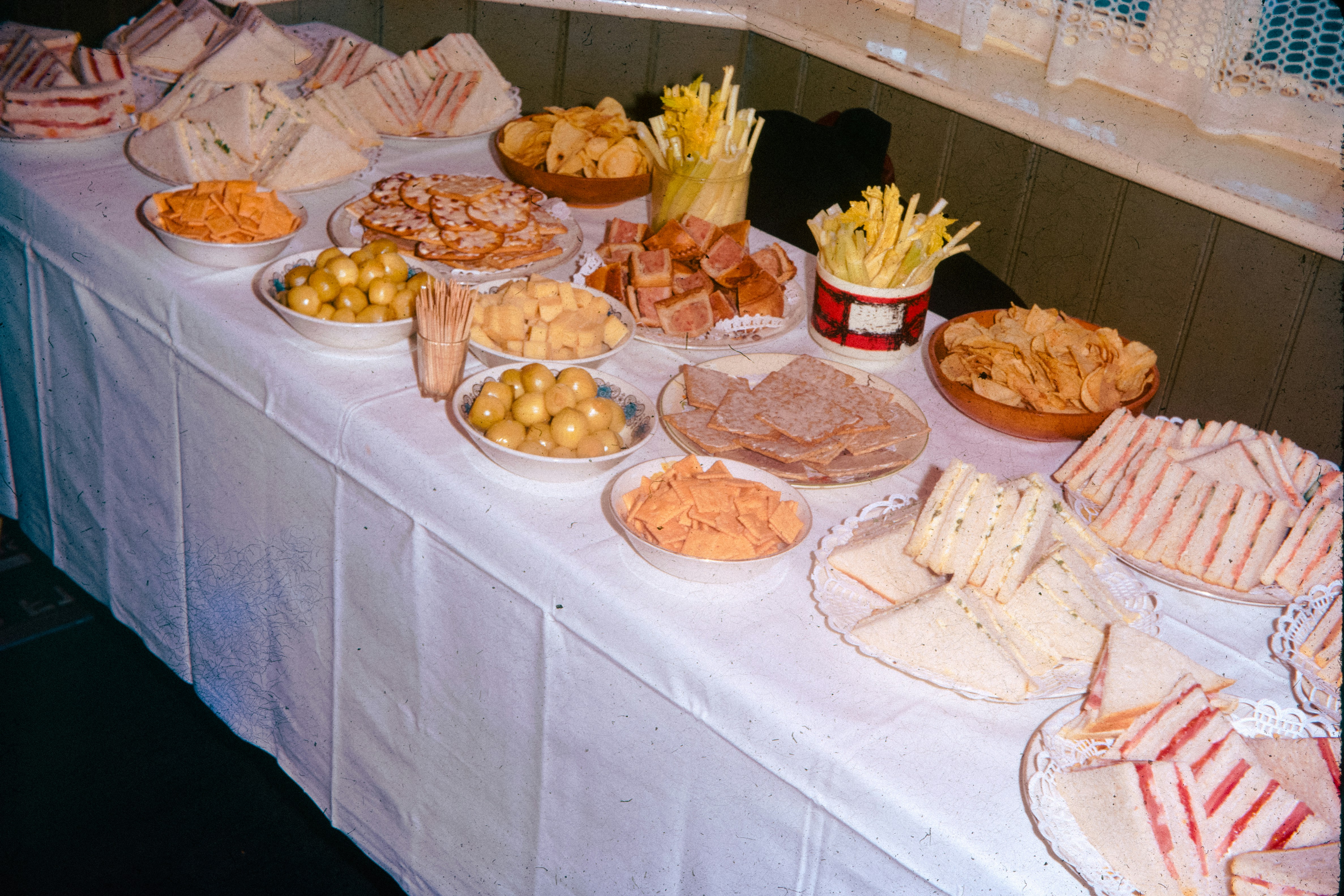
At Susan’s, round a cheery kitchen table we had what I thought was the ultimate American lunch: Tuna fish sandwiches on white bread and a helping of potato chips.
Now, every once in a great while, feeling lonely or in need of certain comfort, I still recreate that meal. The tuna must be albacore oil-drained, mixed with rich mayonnaise, the mound nestled between soft white bread, cut diagonally and placed on a paper plate.
Add chips. Sink into that halcyon slice of time, remembering that sometimes —
I only said I forgot my key.
1 Pirukad are small pastries from Estonia, the country my World War Two refugee parents had fled a few years before my birth in America. My mother’s fragrant pirukad were filled with meat, rice and eggs.
Kaja Weeks is a poet, essayist, and classically trained singer. The daughter of World War Two refugees from Estonia, much of her writing contemplates this history, including the long-lasting effects of war, cultural displacement and longing. Kaja’s memoir-based chapbook, Mouth Quill Poems with Ancestral Roots was published in 2020. Kaja’s writing (including two Pushcart nominations) has appeared in choral music, documentary-film, Feasts, Fairs and Fiestas: Celebrations of the World by Christina Hoag, journals including The Sugar House Review; Ars Medica: A Journal of Medicine, The Arts and Humanities; Under the Gum Tree; Brevity Blog; The Connecticut River Review and elsewhere.

